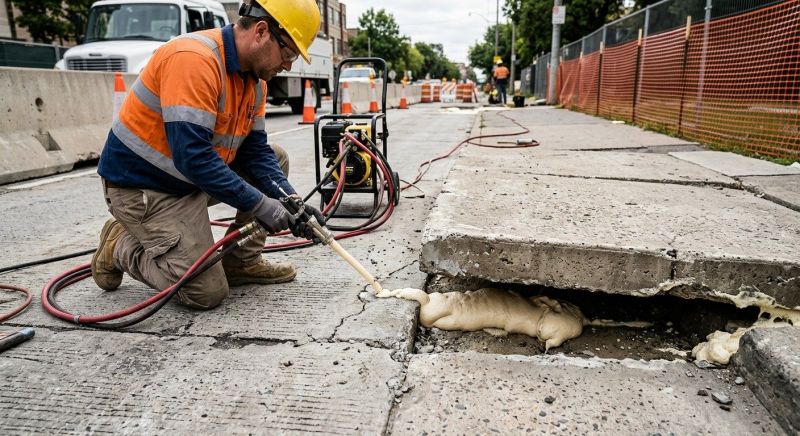
Void Filling in Denver, CO
Void filling services involve the process of identifying and filling empty spaces or gaps within walls, floors, or other structural elements of a property. This service is commonly requested during renovation projects, drywall repairs, or after removing outdated fixtures or installations. Property owners typically seek void filling to improve structural stability, prevent pest intrusion, reduce drafts, or enhance energy efficiency. Understanding the extent of the voids, the materials involved, and the desired outcome can help homeowners determine if this service is suitable for their specific project.
Before requesting void filling, property owners should consider the location and size of the gaps, as well as any underlying issues such as water damage or pest activity. It’s also useful to know the types of materials that can be used for filling, including foam, insulation, or other sealants, to ensure compatibility with existing structures. Proper assessment and planning can contribute to a more effective and durable result, making void filling a valuable step in maintaining the integrity and comfort of a property.
Many property owners in Denver, CO look into Void Filling for repairs, replacements, upgrades, and appearance-related improvements.
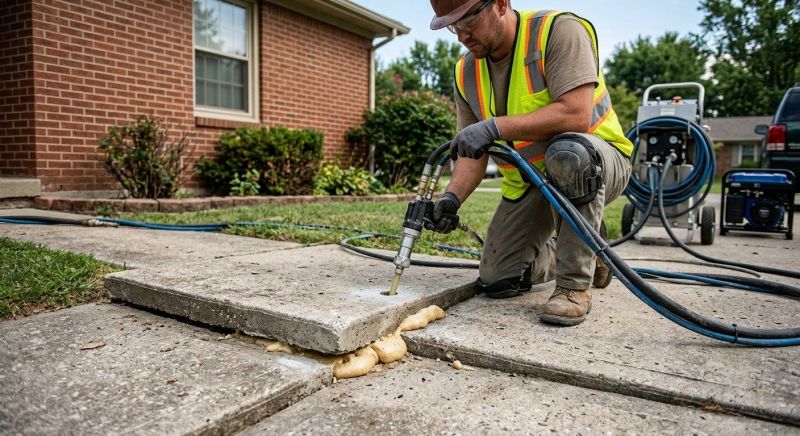
Foundation And Structural Support
Void filling helps stabilize uneven or settling foundations in denver homes.
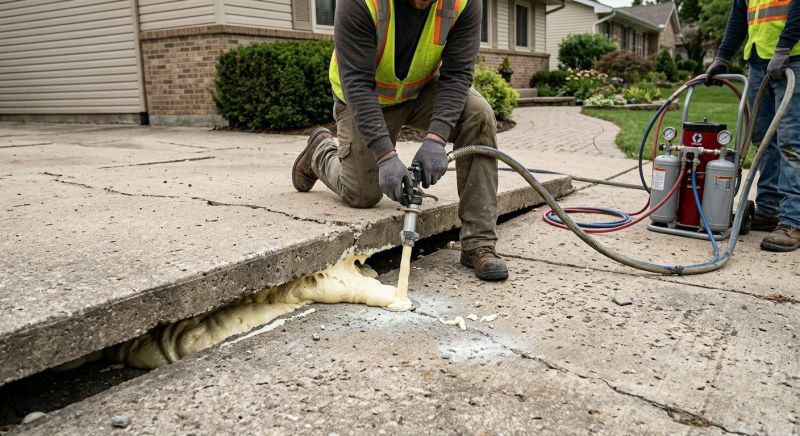
Basement And Crawl Space Enhancement
Properly filling voids prevents water intrusion and improves overall basement stability.
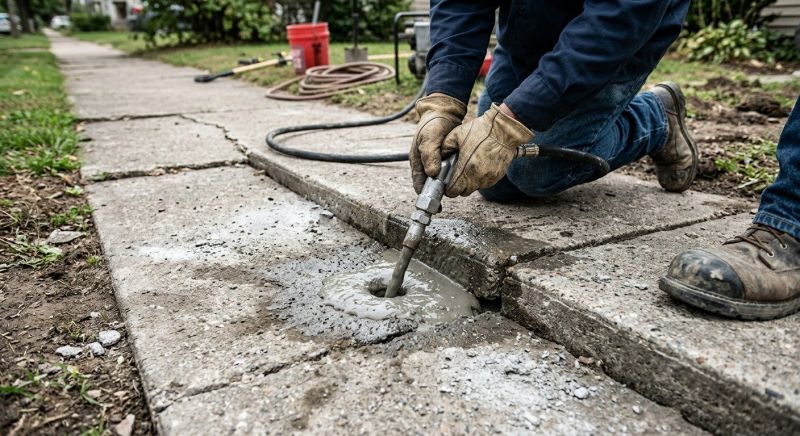
Floor And Wall Stabilization
Addressing gaps beneath floors and walls can reduce movement and prevent damage over time.
Void Filling in Denver, CO

Void filling services involve the process of identifying and filling empty spaces or gaps within walls, floors, or other structural elements of a property. This service is commonly requested during renovation projects, drywall repairs, or after removing outdated fixtures or installations. Property owners typically seek void filling to improve structural stability, prevent pest intrusion, reduce drafts, or enhance energy efficiency. Understanding the extent of the voids, the materials involved, and the desired outcome can help homeowners determine if this service is suitable for their specific project.
Before requesting void filling, property owners should consider the location and size of the gaps, as well as any underlying issues such as water damage or pest activity. It’s also useful to know the types of materials that can be used for filling, including foam, insulation, or other sealants, to ensure compatibility with existing structures. Proper assessment and planning can contribute to a more effective and durable result, making void filling a valuable step in maintaining the integrity and comfort of a property.
Many property owners in Denver, CO look into Void Filling for repairs, replacements, upgrades, and appearance-related improvements.
Common Void Filling Jobs
Void Filling Services - fills gaps and cavities in walls, floors, and ceilings to improve insulation and prevent drafts.
Foundation Void Filling - stabilizes and supports settled or cracked foundations by filling empty spaces.
Basement Void Filling - restores stability in basements affected by water or soil movement through targeted filling.
Wall Void Filling - seals gaps behind drywall or paneling to reduce air leaks and improve energy efficiency.
Crawl Space Void Filling - fills voids in crawl spaces to prevent pest entry and control moisture issues.
Structural Void Filling - reinforces weakened or damaged structural elements by filling and supporting hollow areas.
Void Filling Questions
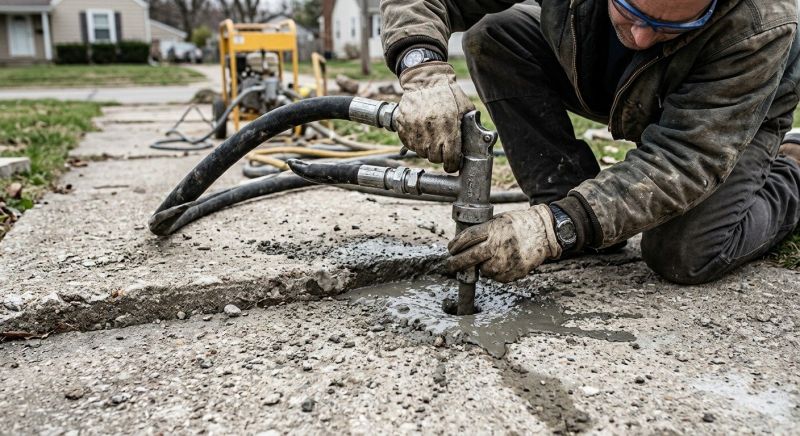
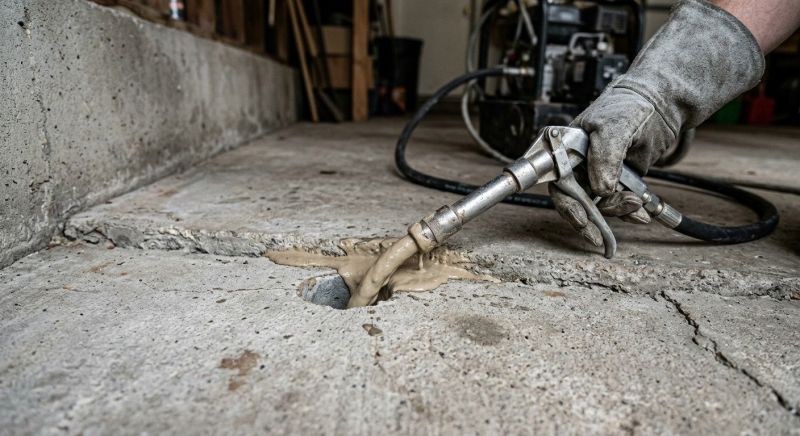
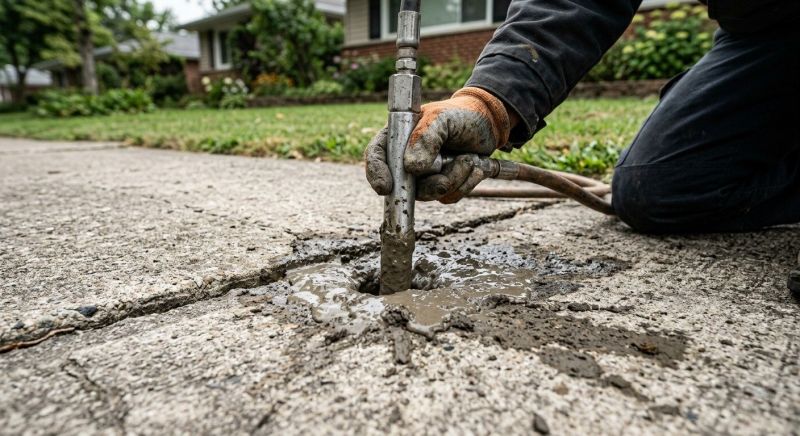
What is void filling used for? Void filling stabilizes soil and prevents settling around foundations, driveways, or retaining walls in Denver areas.
Which projects benefit from void filling? It is commonly used for foundation repairs, backfill work, and leveling uneven surfaces in residential and commercial properties.
How does void filling improve property stability? Filling voids eliminates gaps and prevents shifting or sinking of structures by providing support beneath the surface.
What materials are used for void filling? Common materials include soil, gravel, or specialized fill products designed to support soil and structural loads effectively.
Request Void Filling in Denver, CO
Use the quote form on this page to share the basics of your project and request more information for the type of work you need.